Chunky chilli, spicy and low in calories!

26 Feb

 How often do people start a weight loss programme and give in because the food is tasteless and boring.  This dish is just what the doctor ordered, Chili con carne!  I am using another Judith Wills recipe from her book of low fat meals, and I have made it more times than I can remember.  I love the rich flavour and the chunks of beef that gives a much better texture than mince, more commonly used in chilli.  I’m making a huge pan full today, enough for our dinner, meals on wheels for my kids and, hopefully, some left over to freeze for another day.  It’s great served with jacket potatoes, topped with grated cheddar, or simply with rice and maybe a side salad.

Chilli con carne is simply a spicy stew, derived from the Spanish Chilli con carne, and is the official dish of Texas.  In the 1880’s, brightly dressed Hispanic women known as ‘chili queens’ would light fires of wood or charcoal around downtown San Antonio, in areas where the public were likely to gather, and reheat huge cauldrons of precooked chili to serve to passers-by.  The aromas coming from their pots was a potent sales pitch and soon they were accompanied by groups of musicians to make it more of a carnival atmosphere.  In 1937, new sanitary laws came into force, requiring the chili queens to adhere to the same standards as restaurants.  I can hear all the shouts of ‘Health and Safety spoil things again!’.  The street cuisine disappeared overnight, although there was a brief remission in 1939, the laws were made permanent in 1943.

Last year we grew chillies for the first time.  If you have ever done this, you will know how profuse the chillies are on the plant.  I think we must have had at least one hundred.  If you find yourself in the same boat, and don’t know what to do with them, they freeze beautifully, whole, exactly as they are when you pick them.  When you are ready to use simply take a frozen chilli out and it can be used whole, sliced or chopped from frozen.  If you don’t want the seeds, simply knock them out of the frozen slices before you chop.

There are an incredible number of recipes to be found for Chilli con carne, most of which contain beans and tomatoes.  This is my favourite and I promise, you will never know it is low-calorie!  For those on a Slimming World diet, by my calculations, free if you use the spray oil and only 3 for people if you measure the oil accurately.


Chilli con carne     Serves 4

  • 1.5 tsp groundnut oil or Fry light sunflower oil spray 
  • 400g (about 1 lb) braising steak, trimmed of fat and sinews, and cut into about 1/2 inch cubes
  • 2 medium onions, peeled and finely chopped
  • 1 red pepper. deseeded and cut into 1/2 inch pieces
  • 1 clove garlic, crushed
  • 2 fresh red jalapeno chillies, chopped (leave the seeds in if you like your chilli hot)
  • 1 tsp Tabasco sauce
  • 1 tsp cumin
  • 1 tsp paprika
  • 400g can chopped tomatoes
  • 1 tbsp tomato puree
  • 400g can red kidney beans, drained
  • 250ml beef stock
  • salt and black pepper
  • Chopped coriander to serve (optional)
  1. Heat half the oil in a large, lidded, non-stick pan and fry the meat over a high heat until brown all over.  Do this in batches rather than overfill the pan as the meat will steam rather than fry.  Remove the meat with a slotted spoon and reserve.
  2. Add the rest of the oil, reduce the heat and saute the onion, garlic, chillies and pepper for 10 minutes.  Stir occasionally and be careful they do not burn.
  3. Add the paprika, Tabasco and cumin, stir and cook for 1 minute more.
  4. Pour in the tomatoes, tomato puree, beans, stock and seasoning, stir well, bring to the boil then reduce the heat to low.  Return the meat to the pan, check for seasoning and ‘hotness’ then cover and simmer for 2 – 2.5 hours until the sauce is thick and rich and everything is tender.

NB:  The heat of the chilli will mature during cooking so when you test for ‘hotness’ you will need to account for this.  It is better to add a bit more Tabasco at the end than try to reduce the heat, which is almost impossible. 

This slideshow requires JavaScript.

Fried fish with ginger noodles

18 Feb

imageI was a bit concerned when I made this as my husband hates batter or anything fried in breadcrumbs. In actual fact, this was nothing like a batter. The rice flour merely coats the fish to hold it together when you are frying it and the outcome is absolutely delicious.  It is an incredibly easy dish to prepare, you just need to remember to start early enough so you have time to marinade the fish before cooking.

The recipe uses rice flour.  Rice flour is a form of flour made from finely milled rice. It is a particularly good substitute for wheat flour, which causes irritation in the digestive systems of those who are gluten-intolerant. Rice flour is also used as a thickening agent in recipes that are refrigerated or frozen since it inhibits liquid separation.  Having spent a lot of time in abroad I realise that not all ingredients are readily available everywhere. If you can’t get rice flour try substituting corn flour, I’m sure you will get a similar result.

As with all Stir-fry recipes it pays to prepare all your ingredients before you start cooking to ensure the textures are correct and ingredients are not overcooked.

I found the recipe in an Olive cookery magazine but it is not available on their website so I have written it out below.

Stir-fried fish and ginger noodles                          Serves 4 (depending on appetite)

  • 400g skinned fish fillets (I used cod as it is thick and holds together well)
  • 1 tbsp light soy sauce
  • 3 tbsp rice flour
  • 2 tbsp fish sauce
  • 1 tbsp golden caster sugar
  • 1 tsp shrimp paste
  • Juice of 1 lime
  • 8 tbsp vegetable oil
  • 5 cm piece of root ginger, peeled and thinly sliced
  • 2 cloves garlic, sliced
  • 1 large red chilli seeded and chopped
  • 50g mangetout, finely sliced
  • a bunch spring onions, finely sliced
  • 200g dried egg thread noodles
  1. Remove any stray bones from the fish and cut into 2 inch pieces. Put in a shallow dish and pour over the soy sauce. Marinate for 30 minutes.
  2. Remove the fish from the dish and reserve the soy sauce. Dust lightly with the rice flour.
  3. Whisk the fish sauce, sugar, shrimp paste, lime juice and reserved soy sauce together until the sugar has dissolved.
  4. Heat 6 tbsp of the oil in a wok over a medium heat. When hot, add the fish in batches and fry for 2 -3 minutes per batch, turning so they become crisp and golden on all sides. Remove and drain on kitchen paper.
  5. Discard the oil and wipe the pan.  Return to the heat and add the remaining 2 tbsp of oil.
  6. Add the ginger, garlic and chilli and fry for 1 minute until fragrant. Be careful not to burn!
  7. Add the mange tout and spring onions, stir well then add the sauce and a splash of water to make a thick sauce.
  8. Simmer for 1 minute then stir in the fish pieces carefully so as not to break up and warm through over a low heat for 2 -3 minutes.
  9. In the meantime, cook the noodles as per packet instructions. Drain well and serve, topped with the fish stir-fry.

This slideshow requires JavaScript.

Thai red chicken curry – mild and delicious

17 Oct

DSCI0063If you like spicy food but don’t like the heat then this curry is perfect for you.  It is mild and creamy and full of wonderful flavours.

The recipe uses rapeseed or vegetable oil and I thought, it would be good to find out a bit more about ‘fats’.

All fats are high in calories, so it’s important to bear this in mind if you are watching your weight. However, your body does need to have some fats.  The most common concern, after weight gain, about eating fats is the effect they have on your heart. Here is what the British Heart  Foundation has to say on the matter.

‘In terms of your heart, it’s important to think about the type of fat you are eating.

Swap saturated fats for unsaturated fats

Butter, lard, ghee, palm oil and coconut oil are all high in saturated fat.  Too much saturated fat can increase the amount of cholesterol in the blood, which can increase the risk of developing coronary heart disease. Where possible replace saturated fats with small amounts of monounsaturated  and polyunsaturated fats.

Avoid trans fats

Avoid these wherever possible. These fats are most likely to be found in foods such as biscuits, cakes, pastries and deep-fried foods.  Trans fats occur naturally in small amounts in dairy foods and meat, however it is the industrially produced trans fats which have a similar effect to saturated fat, as they can increase the amount of cholesterol in your blood.

Have monounsaturated fats in small amounts

Olive oil, rapeseed oil and spreads which are made from these oils, as well as some nuts and seeds, are all high in monounsaturated fats. Monounsaturated fats can help to maintain healthy cholesterol levels.

Have polyunsaturated fats in small amounts

Soya, vegetable and sunflower oils, spreads made from these oils, nuts and seeds like walnuts and sesame seeds, and oily fish all contain polyunsaturated fats. Polyunsaturated fats help to maintain healthy cholesterol levels and provide essential fatty acids.

Top tips to help you reduce your saturated fat

  • Swap butter, lard, ghee and coconut and palm oils with small amounts of monounsaturated and polyunsaturated fats, such as olive, rapeseed or sunflower oils and spreads.
  • Choose lean cuts of meat and make sure you trim any excess fat and remove the skin from chicken and turkey.
  • Instead of pouring oils straight from the bottle, use a spray oil or measure out your oils with ateaspoon.
  • Read food labels to help you make choices that are lower in saturated fat.
  • Opt to grillbakesteamboil or poach your foods.
  • Make your own salad dressings using ingredients like balsamic vinegar, low-fat yoghurt, lemon juice, and herbs, with a dash of olive oil.
  • Use semi-skimmed1% or skimmed milk rather than whole or condensed milk.
  • Cottage cheesericotta and extra light soft cheese are examples of low-fat cheese options. Remember that many cheeses are high in saturated fat so keep your portions small – matchbox sized. Opt for strongly flavoured varieties and grate it to make a little go a long way.’

http://www.bhf.org.uk/heart-health/prevention/healthy-eating/saturated-fat.aspx

It looks like eating healthily will also help us lose weight.  Bonus!

Here is the recipe.

Thai red Chicken curry                             Serves 4

  • 2 tbsp rapreseed oil
  • 2 banana shallots, sliced
  • 3 – 4 chicken breasts, skin removed and cut into strips
  • 2 tbsp red thai curry paste
  • 1 x 400g can coconut milk
  • 150ml chicken stock
  • 1.5 tbsp Thai fish sauce
  • 1/2 tbsp caster sugar
  • 1 red pepper, deseeded and sliced
  • 100g baby spinach leaves
  • juice of half a lime
  • small bunch of basil, leaves torn
  • small bunch coriander, chopped
  1. Heat the oil in a wok and fry the shallots for a couple of minutes until softened.  add the chicken and fry for 5 minutes or until lightly brown all over.
  2. Stir in the curry paste and cook for 1 minute then add the coconut milk, stock, fish sauce and sugar. Stir then add the red pepper. Simmer for 15 minutes.
  3. You can freeze the curry at this stage if you want, in rigid containers.  Defrost thoroughly and ensure it is heated through then continue with stage four.
  4. Add the spinach, lime juice and herbs, mix to combine then cook for 1 minute.  Serve with boiled rice.

This slideshow requires JavaScript.

Sausage hash with fried egg

13 Oct

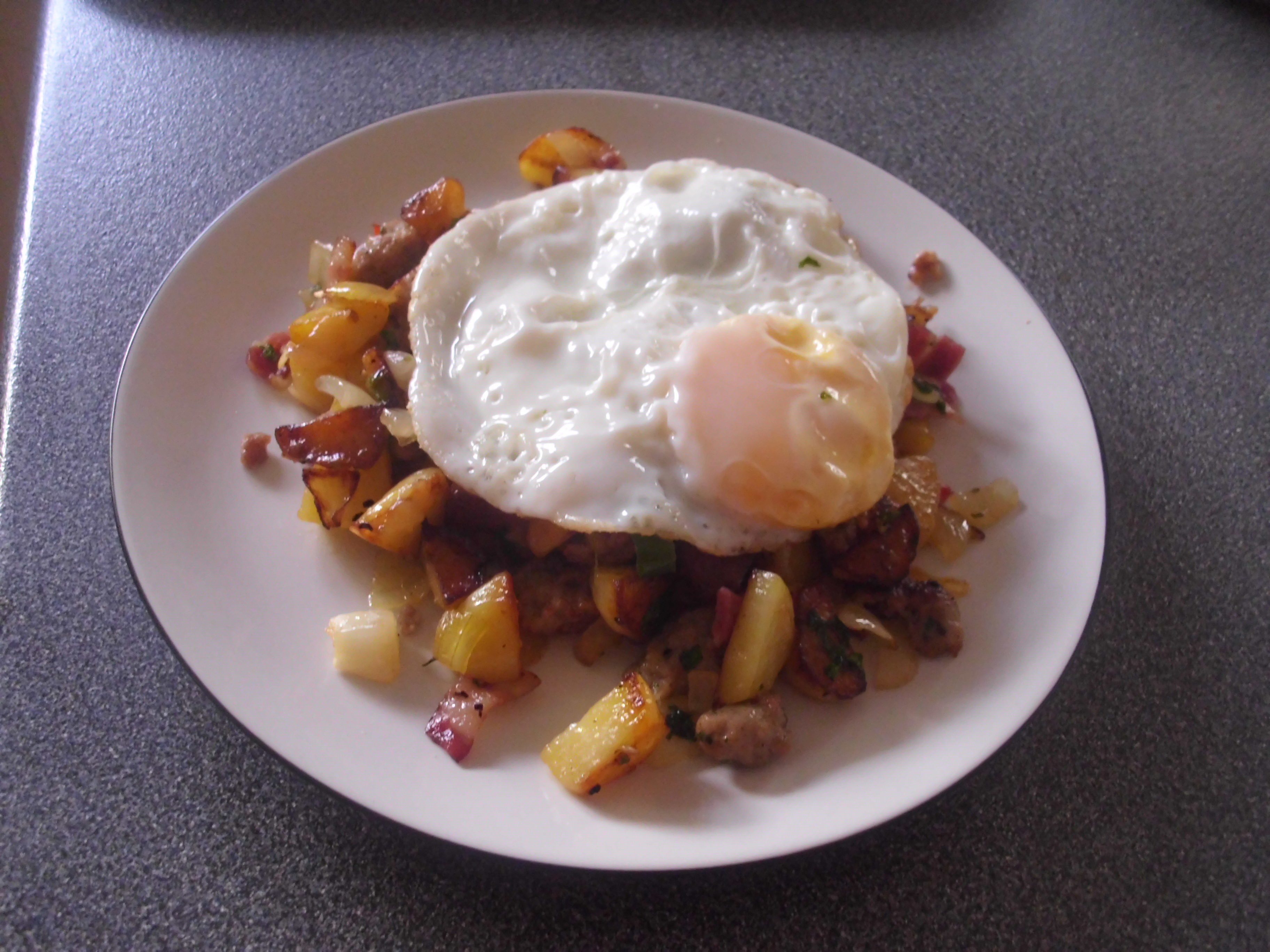
DSCI0342There are times when I have lots of bits and pieces of food left in the fridge that need to use up and I made this recipe for just such an occasion.  It is almost like a breakfast in one pan as it contains all the thinks I like for a good old English Breakfast but it is all cooked together. We had it for lunch one day but I am sure it would make a great brunch or breakfast dish.

Did you know there is actually an English Breakfast Society?  This is what they have to say about the history of the English Breakfast.


The full English breakfast is a centuries old British tradition which dates back to the early 1800’s, when the Victorians first perfected the art of eating breakfast and elevated the most important meal of the day into an art form.

When the Victorians combined tradition with the most important meal of the day, they created a national dish, one that is widely loved to this day and regularly enjoyed by millions of English breakfast lovers all over the planet.

The breakfast table was an opportunity to display the wealth of the estate and the quality of the meats, vegetables and ingredients produced on the surrounding land and a chance to show off the skills of the cooks who prepared a vast selection of typical English breakfast dishes every morning, for the residents and guests of the house.

The gentry used to love their breakfast feasts and in the old Anglo-Saxon tradition of hospitality, used to provide hearty full breakfasts for their visiting friends, relatives and neighbors. The gentry used to enjoy a full breakfast before they went out to hunt, before a long journey, the morning after their parties and when reading the mail and periodicals of the day.

Breakfast served in these country houses was made up of ingredients sourced from farmers based on the estate, the meats were cured and cooked using regional recipes and methods. Their breakfasts were made up of traditional English dishes, cooked in a typical English way and it was here that the idea of the traditional English breakfast began.

This recipe may not fit in with their ideals but it is definitely delicious.

Sausage hash with fried egg               Serves 2

  • 1 tbsp vegetable oil
  • 8 new potatoes cut into 1/2 inch pieces
  • 2 good quality sausages of your choice
  • 3 rashes of unsmoked streaky bacon
  • 1/2 green chilli, deseeded and finely sliced
  • 1/2 red pepper, cut into 1 inch cubes
  • 1 small onion, finely chopped
  • small handful of parsley, chopped
  • salt and black pepper
  1. Heat the oil in a large non-stick frying pan and gently fry the potato for 10 minutes until it is starting to soften and go golden.
  2. Skin the sausages and break up the meat into small nuggets. Add to the potato.
  3. Using scissors, snip the bacon into thin slices and add to the pan along with the onion, chilli and pepper.
  4. Stir to combine them all and continue to cook until the vegetables are tender and the sausage cooked through.
  5. Add the parsley and season to taste. Mix carefully.
  6. In a separate pan fry two eggs.
  7. Serve the hash immediately, divided between two plates with an egg on top of each.

This slideshow requires JavaScript.

Chicken fricassee with cider and mushrooms

9 Oct

DSCI0120If you look through the chicken dishes in this blog you will find a number of recipes that include tarragon. That is because chicken and tarragon are a match made in heaven.  This dish is no exception and tastes absolutely delicious. I have used cider to make a sauce for pork before but I think this is the first time I have used it to make one for chicken.  It really does give the dish a fantastic lift. Here are a few facts and trivia on tarragon.

  • The word “tarragon” comes from the French word “estragon” meaning “little dragon,” hence the nickname “dragon’s-wort.”
  • It is the leaves of the herb Artemisia dracunculus. The slender dark-green leaves have a pleasant anise-like flavor and aroma.
  • Tarragon blends well with other spices. It is used in sauces, especially Bearnaise sauce and tarragon vinegar. In French cuisine it is an integral part of fines herbes and dijon mustard.
  • Tarragon was used by the Greeks as early as 500 BC. Like the French, the Arabs named it “turkhum” which means dragon probably because they found the taste to be exceptionally strong or because of its serpentine shaped roots.
  • Tarragon came to France from the plains of Siberia in the 15th century by the Arabs who had been using it since the 13th century
  • Tarragon leaves are rich in iodine, mineral salts and vitamins A and C. In the past tarragon was used to prevent scurvy. It is also used as an appetite stimulant and digestive tonic by naturalists.

Here is the recipe. I found it in a Good Food Magazine, the link to it on their website is below. I didn’t make the parsley croutons as I preferred to serve mine with mashed potato to soak up the wonderful sauce.

http://www.bbcgoodfood.com/recipes/chicken-cider-fricassee-parsley-croutes

This slideshow requires JavaScript.

Lemon Drizzle cake

4 Oct

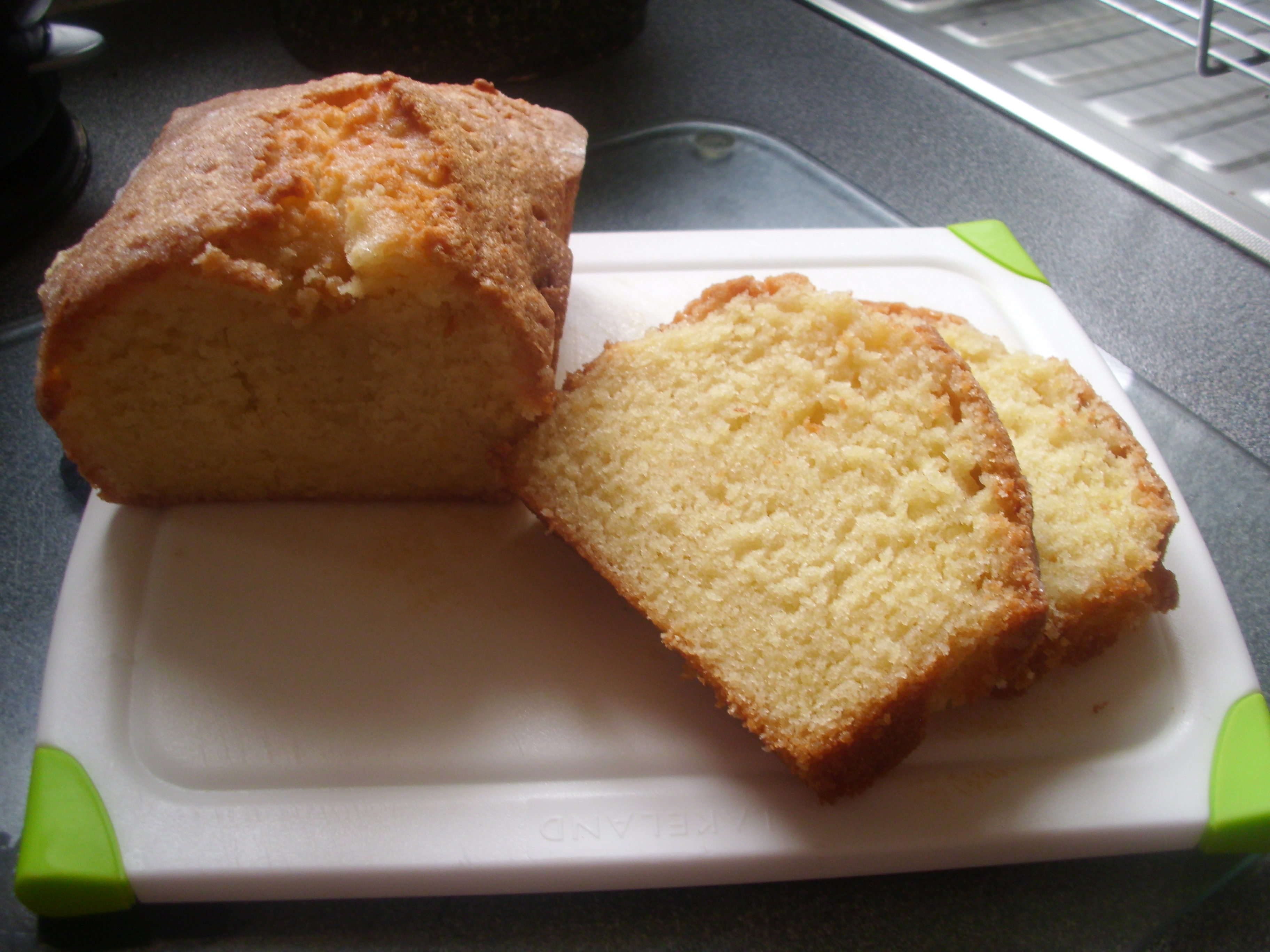
DSCI0165I rarely make cakes but I made this an exception as I was preparing a High Tea for friends.  The lemon drizzle gave the cake a lovely crunchy top and a delicate lemon flavour to the sponge which, on reflection, was very similar to a Madeira cake.

We only ate about a third of the cake so I have frozen the remainder and will use another time to make a pudding. I have a lovely raspberry and sherry trifle in mind or maybe just make a summer berry compote to drizzle over it and serve it with fresh cream. Lovely.

I mentioned above I was preparing High tea, but maybe this was Afternoon Tea. So what is the difference?

Afternoon tea is served around 4.00pm. When afternoon tea became fashionable in the early 19th century, thanks to the Anna, the Duchess of Bedford it was never intended to replace dinner but rather to fill in the long gap between lunch and dinner at a time when dinner was served at 8pm. Lifestyles have changed since those times and afternoon tea is now a treat, rather than a stop-gap.

High Tea means different things to different people. The origins of Afternoon Tea show clearly this was the preserve of the rich in the 19th century. For workers in the newly industrialised Britain of the time ‘tea’ had to wait until after work and be substantially more than just tea and cakes. Workers needed sustenance after a day of hard labour, so the after work meal was more often hot and filling and accompanied by a pot of good, strong tea to revive flagging spirits.

The addition of High is believed to differentiate between the Afternoon Tea served on low, comfortable, parlour chairs or relaxing in the garden and the worker’s High Tea served at the table and seated on high back dining chairs.

Today, the evening meal in working class households is still often called ‘Tea’ but as working patterns have changed yet again, many households now refer to the evening meal as supper. (About.com)

Well, here is a link to the recipe and my , not very good, slideshow.

Lemon Drizzle Cake                     Cuts into 10 slices

http://www.bbcgoodfood.com/recipes/4942/lemon-drizzle-cake

This slideshow requires JavaScript.

Chicken and vegetables with Soy Noodles

30 Sep

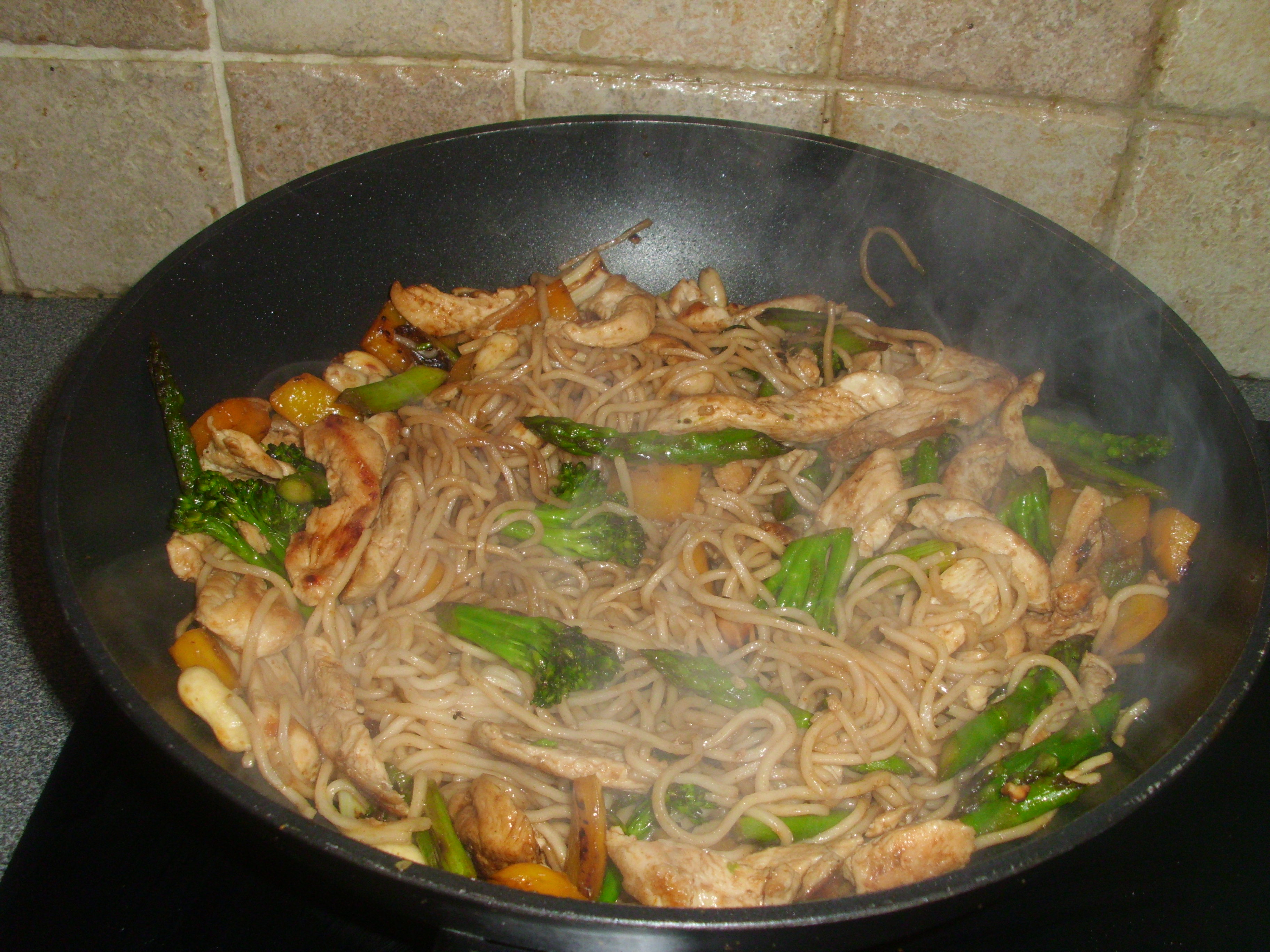
DSCI0104   I know I have said this before but I love Chinese food. It is quick, easy, healthy and, usually, cooked in one pan so saves on the washing up.  This recipe was a little unusual as it contained some spices I would normally associate with Indian food rather than chinese. Does that make it a fusion dish? I wouldn’t like to say as this terminology still confuses me. Regardless of whether it is fusion or not it tastes absolutely wonderful.

I found the original recipe on the Kikkoman web site but have changed it quite a bit to use ingredients I had to hand. It still tasted absolutely wonderful and is one dish I will be making again and again.

Here is the recipe.

Chicken and vegetables with soy noodles       Serves 2 -3

  • 150g thin or medium egg noodles
  • 2 tbsp groundnut oil
  • 1 pack of tender stem broccoli and asparagus tips
  • 1 orange pepper, deseeded and cut into chunks
  • 4 spring onions, trimmed and sliced
  • 1 tbsp raw peanuts, toasted
  • 2 skinless chicken breasts cut into thin strips
  • 1/2 tsp ground cumin
  • 1 tsp ground coriander
  • 1/2 tsp hot chilli powder
  • 2 tbsp kikkoman Less Salt Soy Sauce
  • 1 tbsp rice wine
  1. Cook the noodles as per pack instructions, drain and keep warm.
  2. Heat 1 tbsp of the oil in a wok, add the pepper, broccoli, asparagus and spring onions. Stir fry over a brisk heat for 5 minutes. Add the peanuts, stir fry for 1 minute then remove from wok and set aside.
  3. Add the remaining oil to the wok , heat and stir fry the chicken for 5 minutes. Add the cumin, coriander and chilli powder and stir fry for another minute.
  4. return the vegetables to the wok and toss with the chicken. Add the noodles, soy sauce and rice wine. Toss everything together until piping hot then serve in warmed bowls.

This slideshow requires JavaScript.

Mini Pizzas

26 Sep

imageI make bread, with some level of success, on a regular basis, but this was the first time I had tried to make Pizzas. There were two reasons I wanted to make these. Firstly, I was having the Grandchildren for a few days and it was pouring with rain so I needed something to keep do that would keep them amused.  Secondly, my three year old granddaughter was not eating very well and I thought she would eat her Pizza if she had made it herself. I was right!  We had great fun and even my husband, who says he doesn’t like pizzas, enjoyed the results and ended up eating two of them himself.

I got the recipe from a good food magazine but the idea was more local as one of our excellent restaurants, Zamanis, had held pizza making sessions for local children and they all seemed to enjoy it. I can see why.

My Granddaughters pizza stuck with the basics of tomato sauce and mozzarella whilst my Grandson was a bit more adventurous and added ham and a variety of Italian salamis.  My husband and I went the full hog and used the ham and Italian salamis as well as mushrooms, red onion, sliced peppers and olives with a separate one topped with anchovies, olives, peppers and onions.  They were all yummy.

Here is a link to their recipe on the website.

http://www.bbcgoodfood.com/recipes/mini-top-your-own-pizzas

This slideshow requires JavaScript.

Cioppino – an Italian-American fish soup to die for.

22 Sep

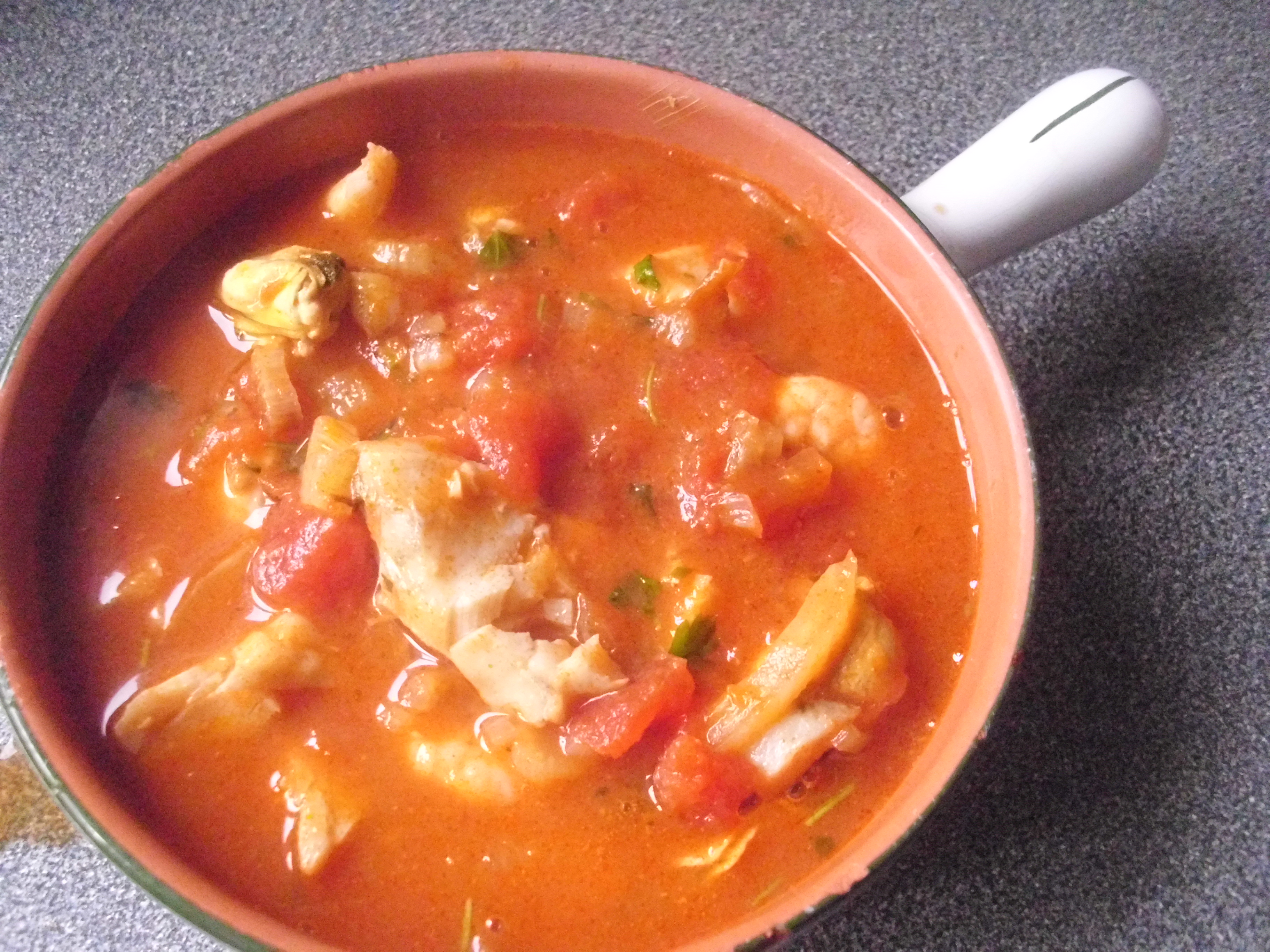
DSCI0101Cioppino is a fish stew originating in San Fransisco. It is considered an Italian-American dish, and is related to various regional fish soups and stews of Italian cuisine.  Cioppino is traditionally made from the catch of the day, which in the dish’s place of origin is typically a combination of Dungerness crabs, clams, shrimp, scallops, squid, mussels and fish. The seafood is then combined with fresh tomatoes in a wine sauce, and served with crusty bread. The dish is comparable to caccissio and brodetto from Italy, as well as other fish dishes from the Mediterranean region such as bouillabaisse, burrida, and bourride of French Provence, and suquet de peix from Catalan speaking regions of coastal Spain.

Cioppino was developed in San Francisco in the late 1800s by the famed Italian fish wholesaler Achille Paladini, (later titled “The Fish King”) who settled in the North Beach section of the city, he came from the seaport town of Ancona, Italy in 1865.  He originally made it when the boats came back from sea and the ‘left overs’ were used to make a fish stew, a few Dungeness Crabs were also added. It eventually became a staple as Italian restaurants proliferated in San Francisco. The name comes from ciuppin, a word in the Ligurian dialect of the port city of Genoa, meaning “to chop” or “chopped” which described the process of making the stew by chopping up various ‘left overs’ of the day’s catch.  Ciuppin is also a classic soup of Genoa, similar in flavour to cioppino, with less tomato, and the seafood cooked to the point that it falls apart.

Generally the seafood is cooked in broth and served in the shell, including the crab (if any) that is often served halved or quartered. It therefore requires special utensils and, importantly, a bib. My version is a lazy version but tastes fantastic and is much easier and quicker to cook.

Cioppino                                 Serves 3-4

  • 2 tbsp olive oil
  • small knob of butter
  • 1 banana shallot, finely sliced
  • 1 fennel bulb, finely sliced
  • 2 cloves garlic, sliced
  • 2 tbsp tomato puree
  • 150ml dry white wine
  • 400g tin chopped tomatoes
  • 1 tsp tabasco
  • 500ml fish stock
  • 500g of firm white fish (I used cod loin), cut into 2 inch pieces
  • 200g raw prawns
  • 1 pack ready cooked mussel meat
  • handful flatleaf parsley, chopped
  1. Heat the oil and butter in a large pan until melted then add the shallot, fennel and garlic. Turn the heat to low, cover and cook for about 10 minutes, checking occasionally to ensure it does not burn.
  2. Stir in the tomato puree, and white wine and cook for a few minutes to allow the alcohol to evaporate. Then stir in the tomatoes, Tabasco and fish stock.  Mix well and simmer gently for 30 minutes.
  3. Add the prawns and cod loin and simmer, uncovered, for 5 minutes then add the mussels and allow them to warm through for a minute.  Add the parsley, mix carefully, then serve with crusty bread.

This slideshow requires JavaScript.

Ramen beef and mushrooms

18 Sep

imageThis lovely beef Ramen dish reminded me of two things. Firstly, there are still amazing recipes to try that will shoot straight into your top 20 and secondly, always buy the best you can afford.  In this case I bought fillet steak and the end result was melt in your mouth beef accompanied by soft noodles in an incredibly beautiful spice infused broth.  Overall a sensational combinations of taste explosions in your mouth that I was still savouring for some time afterwards.

The broth is based on Miso, a traditional Japanese staple food and seasoning.  There are two main types of Miso and its popularity varies dependant in where you are in Japan.  The most common types are white miso traditionally consumed in the western part of Japan including Kyoto, while the eastern regions including Tokyo tend to prefer red miso. Miso is typically salty but its flavour and aroma depend on various factors such as ingredients, fermentation and the length of the ageing process. Other important variables that contribute to the flavour of a particular miso include temperature, duration of fermentation, salt content and the variety of koji. These different ingredients and variables result in miso which may be described as salty, sweet, earthy, fruity and savoury. You can find Miso soup in most large supermarkets in the UK. Miso paste is more difficult to find. For a great selection of both try the Clearspring on-line shop.

Here is the recipe, a variation of the one I found in a Tesco magazine.

Ramen beef with mushrooms                                              Serves 4

  • 3 sachets of Miso soup (I used the red version)
  • 1 inch piece of root ginger, finely sliced into matchsticks
  • 1 star anise
  • 150g Udon noodles
  • 2 fillet steaks
  • 2 tbsp olive oil
  • 3 oz shiitake mushrooms, halved if large
  • 4 oz chestnut mushrooms, sliced
  • 1  x 200g pack baby leaf greens, finely shredded
  • 1 red chilli, finely sliced
  • 6 spring onions, finely sliced
  • A few leaves of coriander for garnish
  1. Dissolve the Miso soup in 1 litre of freshly boiled water in a large pan. Add the ginger and star anise then leave to simmer over a low heat.
  2. Meanwhile cook the noodles as per packet instructions. Drain well.
  3. Heat a griddle pan over a high heat. Lightly oil the steaks and season well.  When the pan is smoking, griddle them for 3 minutes on each side. Remove from the heat and allow to rest for 5 minutes then slice thinly.
  4. Add the mushrooms to the broth and continue to cook for 5 minutes.
  5. Heat a little oil to a clean pan and fry the chilli and spring onions until just turning brown.
  6. Divide the noodles between 4 bowls and ladle over the broth in equal measures. Lay the beef slices on top then scatter with the chilli and spring onions. garnish with the coriander and serve immediately.

This slideshow requires JavaScript.